When you’re ready to make a change to your alcohol use, we will be prepared to help find the best way for you to stop drinking or cut back. UCS Healthcare has made it easier than ever to seek help from licensed professionals by offering virtual care and assessments. Our experts also provide integrated care and same-day assessments at three convenient locations in the Des Moines metro area. Once you’ve recorded your behavior for a few weeks, check your results and assess how you feel about your drinking habits. This may help you recognize a concerning pattern or give you the push you need to cut back on drinking.

The path from alcohol abuse to alcoholism
Magnolia Medical Group in Denver and Wheat Ridge, Colorado, wants to help. Our team has the expertise and compassion required to help you identify substance abuse and its underlying triggers. We also create personalized treatment strategies to help you overcome daily challenges and develop long-term goals. Understanding why you drink is crucial in identifying potential alcohol use. Our motivations often reveal underlying issues that need addressing.
Experiencing Withdrawal Symptoms When Not Drinking
This self-assessment template provides a comprehensive tool for evaluating your relationship with alcohol. It covers crucial aspects such as drinking motivations, control over consumption, and impact on responsibilities. By honestly answering these questions, you can gain valuable insights into your drinking habits and identify potential areas of concern. Emotional changes are often among the earliest and most overlooked signs of alcohol addiction. Mood swings are a common emotional indicator, with individuals experiencing rapid shifts between euphoria and irritability or depression. These mood fluctuations can be particularly pronounced during periods of drinking and subsequent withdrawal.
Question Set 2: Control Over Drinking
Many of alcohol’s most significant effects happen internally, where you can’t see them. You might not feel your liver working, but you may notice other clues. Frequent heartburn, stomach pain, bloating, or other digestive complaints after drinking are common signs that your system is irritated. Your liver bears the brunt of processing alcohol, and while you can’t see the strain, these digestive issues can be an early warning that i have a drinking problem it’s working overtime. Understanding your Blood Alcohol Content (BAC) can help you visualize the load your body is managing.

Unsure What to Do When You’re Not Feeling Well?
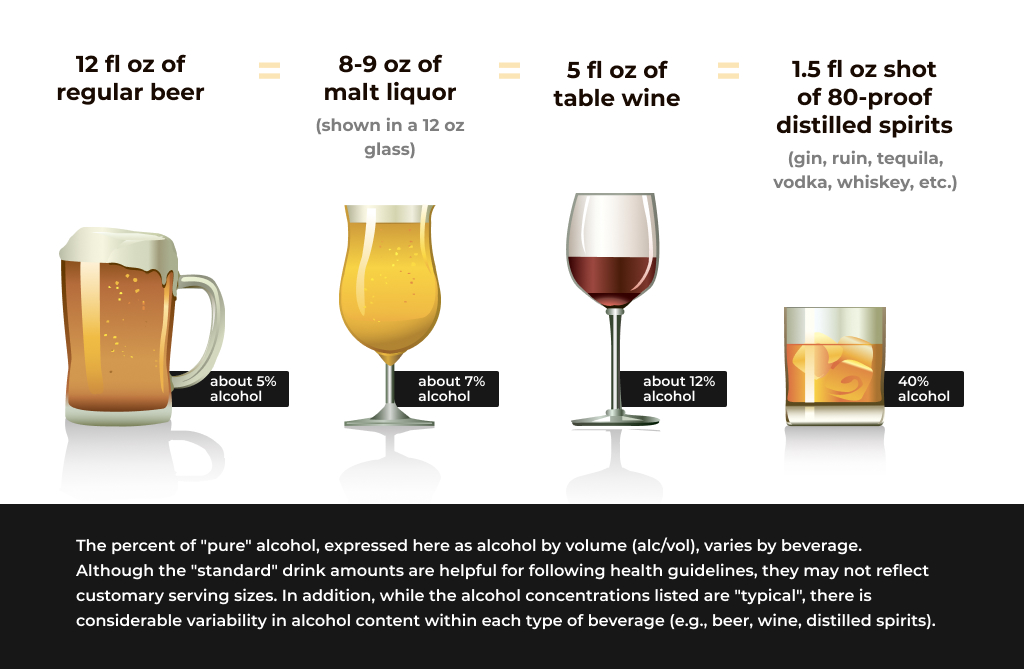
Protecting your long-term cognitive health means preserving your ability to think clearly, regulate your emotions, and stay connected to the people and goals that matter most. If you have questions about this, Reframe’s FAQ page is a great resource. Our bodies are constantly communicating with us, but we often don’t listen.
- Each type of professional brings unique expertise to address different aspects of alcohol use disorders.
- Many people drink alcohol regularly without any problems, and it doesn’t mean they will become an alcoholic.
- There’s also the late night takeout purchases and the groceries that go bad because you’re too drunk to care about cooking.
- A high-functioning alcoholic may seem to have everything together.
- It feels like I need a drink to handle stress or social situations.
Do I Have a Drinking Problem? Recognizing the Signs and Taking Action
Explain your concerns and make it clear that your concern comes from a place of love. Start by talking honestly and openly with the friend or family member who’s drinking too much. But always remember that you can’t force someone to give up alcohol. But you are deceiving yourself if you think that your drinking hurts no one else but you. Alcoholism affects everyone around you—especially the people closest to you. You often drink more alcohol than you wanted to, for longer than you intended, or despite telling yourself you wouldn’t.
Most people minimize their drinking problems until they’re severe. A strong support system is vital for maintaining motivation and commitment to Sober living home change. It provides encouragement, accountability, and resources for ongoing recovery.
Ultimately, there is no one-size-fits-all solution, and what may work for one person may not be a good fit for someone else. Simply understanding the different options can be an important first step. If you or someone you know is struggling with alcohol addiction, here are some resources to help get you through it. Those little “alcoholic” checklists began to describe my life a little too perfectly. Here are seven things I did (or didn’t do) that let me know I had a drinking problem.
