
Inflation is at 5.5 percent. The economy grew 6.2 percent in the first half of the year. And yet plenty of Ghanaians will tell you that rent, trotro fares and tomatoes do not feel like good news. That gap is the backdrop to the 2027 Budget in Ghana, which Finance Minister Dr Cassiel Ato Forson is expected to present on Thursday, November 12.
He has already set the bar himself. In a Facebook post we reported on this week, he said the recovery “must mean decent jobs for our young people”. So what should you look for when he speaks? The budget has not been read yet, so the points below separate what is known from what remains open.
1. What exactly is in the $10bn New Economy plan?
A Finance Ministry document reviewed by JoyNews Research gives the first clear hint. The government plans to put about $10 billion over four years into what it calls the “New Economy”. It has seven pillars:
- macroeconomic stability
- commercial agriculture and agribusiness
- energy sector reforms and investment
- critical minerals and value addition
- cotton, textiles and garments
- tourism, culture and creative arts
- a pharmaceutical manufacturing hub
JoyNews notes the document does not yet name specific projects or say how the money will be shared out. That is the first thing to listen for on Thursday. A pillar is an idea. A named project, in a named place, with a budget line, is something you can check on next year.
2. Where is the money coming from?
The plan commits 1.5 percent of GDP each year from 2027 to 2030. An extra 0.5 percent of GDP is expected from revenue measures, and the rest comes from cutting the primary surplus target from 1.5 percent to 0.5 percent of GDP.
The IMF confirmed the 0.5 percent target in its statement on November 5. It said the budget is in line with the programme but called for rigorous project appraisal, competitive procurement and strict spending controls.
“Revenue measures” is a phrase worth noticing. The IMF expects non-oil revenue to rise in 2027, helped by tax measures approved in July and customs reforms. If you run a business or import goods, watch for what this means in practice.
3. Will it touch the costs people actually complain about?
Here is the overlooked detail in the latest inflation numbers. October’s 5.5 percent was the third straight monthly rise and an 11-month high, although it remains below the Bank of Ghana’s 6 to 10 percent target band.
Citi Newsroom’s analysis of Ghana Statistical Service data shows the three biggest contributors:
- rent: 13.5 percent of the total contribution
- bus and trotro fares: 12 percent
- fresh tomatoes: 11.7 percent
School fees, charcoal and electricity also feature on the list. So look past the headline figure and ask a sharper question: does the budget say anything concrete about housing, transport or food supply?
4. How exposed is Ghana to the dollar and to oil?
On the surface the cedi looks calm. The dollar traded below GH¢11.70 throughout the past week. But Citi’s analysis puts the cedi’s fall against the dollar at more than 11 percent so far this year, and notes Brent crude has recently moved above $100 a barrel.
The IMF has also flagged something most people missed. JoyNews reports that falling foreign exchange reserves prompted a shift in forex intermediation from the Bank of Ghana to GoldBod, together with higher gold sale requirements for large-scale miners. The IMF did not disclose the size of the decline.
Electricity and water tariffs were held at third-quarter levels for this quarter, which gives some relief for now. Pay attention to whether the minister addresses reserves directly, because these pressures end up in fuel prices and, eventually, in trotro fares.
5. Is the New Economy really new?
JoyNews raises a fair political question. Agro-processing, manufacturing, pharmaceuticals and hospitality already sat inside the NDC’s 24-Hour Economy policy. So what does the New Economy add, and what happens to the flagship programme the government has spent so much time promoting?
That question is not an attack. It is about accountability. Economist Prof Godfred Bokpin recently argued that Ghana needs 15 years of sustained reform to transform its economy, and new labels every few years make that kind of consistency harder to measure.
2027 Budget: what is confirmed and what is not
- Confirmed: the presentation date, the 0.5 percent primary surplus target as stated by the IMF, and the 5.5 percent inflation figure.
- Reported, but not final until presented: the size and structure of the New Economy plan.
- Not known yet: specific projects, new tax details, and job numbers for 2027.
The IMF staff agreement itself still needs approval from IMF management and its Executive Board.
Your turn
A budget speech can feel far away from the chop bar, the bus stop and the landlord’s advance demand. It should not be. Some of the choices made next Thursday will reach all three.
If you could ask the Finance Minister one question before he stands up in Parliament, what would it be? Rent, jobs, fuel, school fees? Drop it in the comments, and we will keep an eye on whether the budget answers it.
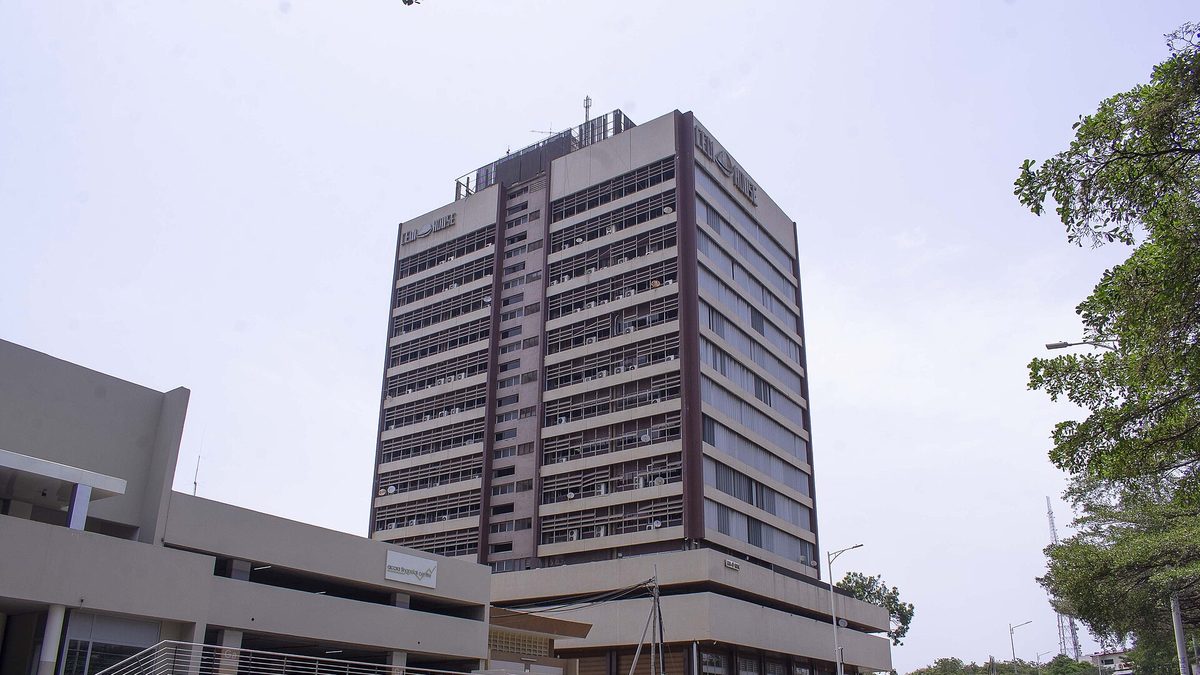
Featured image: Cedi House in Accra, photographed in 2022. Photo: Amuzujoe, CC BY-SA 4.0, via Wikimedia Commons (cropped).