

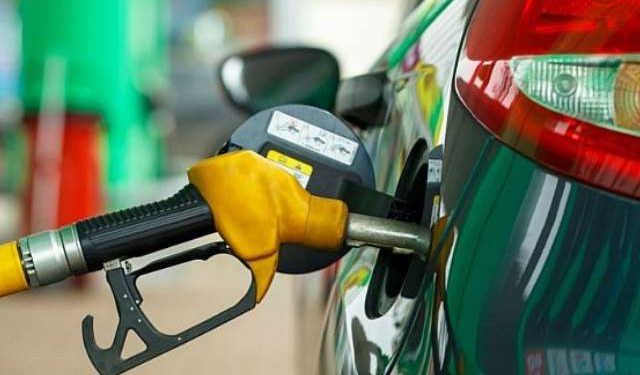
Some Oil Marketing Companies (OMCs) have begun reducing fuel prices at the pumps ahead of the official pricing review dates for November 2026.
Checks conducted this morning indicate that Star Oil, one of the major players in the downstream petroleum sector, has already adjusted its prices downwards.
The company has reduced the price of petrol from GH¢16.35 to GH¢15.97 per litre, representing a decrease of 38 pesewas.
Diesel prices have also been cut from GH¢18.45 to GH¢18.37 per litre, reflecting a reduction of eight pesewas.
There has been no official explanation for Star Oil’s latest price adjustment.
This follows an earlier review at the beginning of November 2026, when the company reduced petrol prices but marginally increased the cost of diesel.
Meanwhile, GOIL, the market leader, has maintained its pump prices since the start of November, with no indication that it plans to introduce any reductions this week.
It remains unclear whether Star Oil’s latest price cuts are driven by increased competition in the downstream petroleum market or by the benefits of securing a Bulk Oil Distribution Licence, which could enable the company to access petroleum products at more competitive prices and pass the savings on to consumers.
Another oil marketing company, JP, has also reduced its pump prices, cutting petrol from GH¢16.43, recorded on October 16, to GH¢15.95 per litre.
Diesel prices have similarly declined from GH¢18.97 to GH¢18.35 per litre.
Under the existing petroleum pricing regulations, Oil Marketing Companies (OMCs) are expected to review their prices on the 1st and 16th of each month.
However, the National Petroleum Authority (NPA) has clarified that companies are permitted to adjust their pump prices outside these dates, provided such changes comply with the pricing guidelines set by the regulator.
Outlook
Crude oil prices have declined from above $100 per barrel to approximately $93, amid reports of possible renewed efforts to secure a peace deal with Iran following the Democrats’ takeover of both chambers of the US Congress.
The Ghana cedi has also remained relatively stable, with periods of significant appreciation against the US dollar.
These developments could provide some relief to consumers, raising the prospect of lower fuel prices at the pumps in the next pricing window beginning November 16, 2026.
Another key factor to watch is the scheduled expiration of the government’s petroleum subsidy programme on November 30, 2026.
It remains uncertain whether the government will extend the programme beyond the deadline and what implications such a decision could have for fuel prices from the November 16 pricing window through the first week of December 2026.