

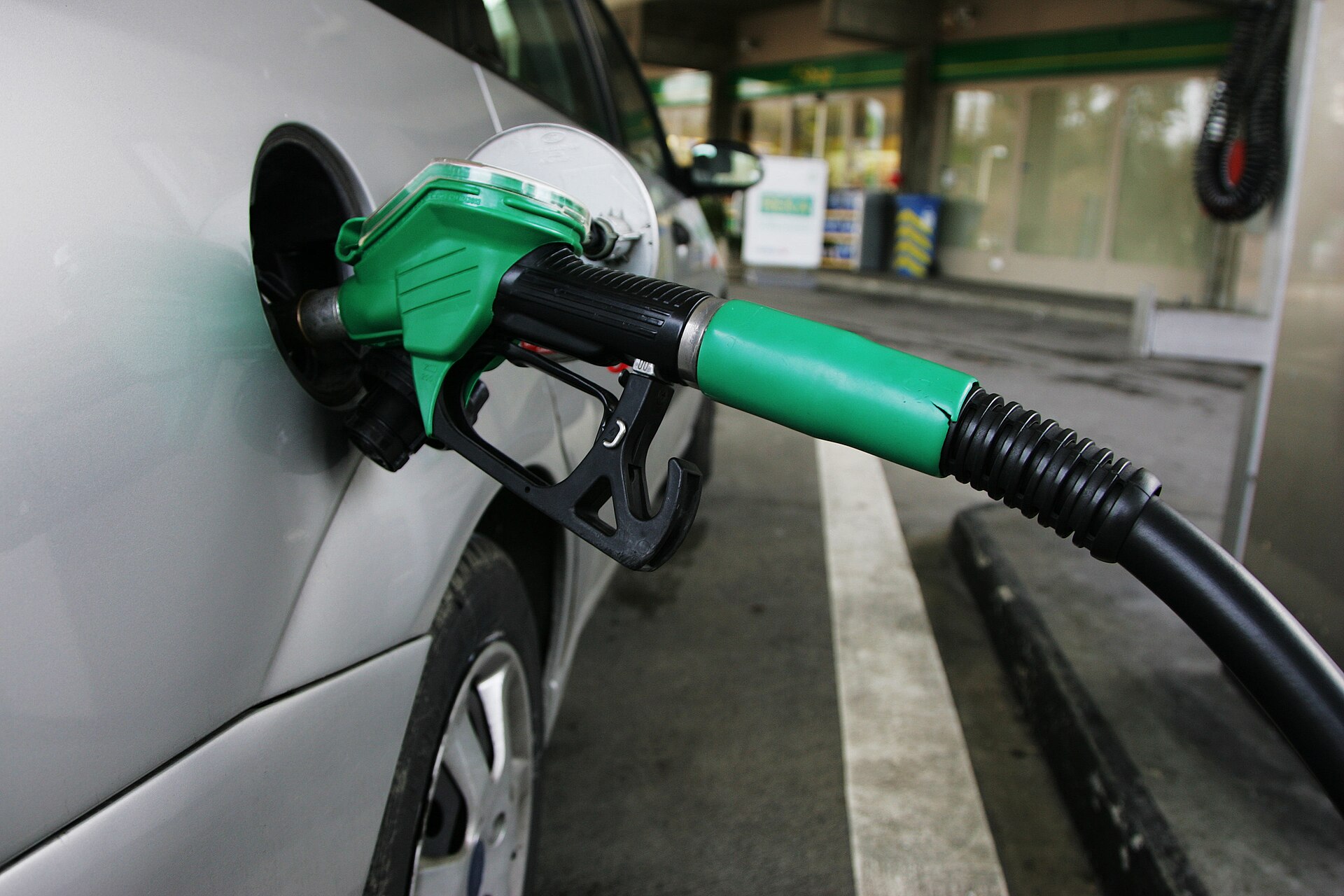
The National Petroleum Authority (NPA) has pegged petrol at a minimum ex-pump price of GH¢14.53 per litre for the first pricing window of August, while cutting the price floor for diesel by GH¢2 to GH¢14.97 per litre under a temporary government intervention meant to ease pressure on transport fares and household budgets.
The new floors, which cover the pricing window from August 4 to August 15, 2026, also set benchmarks for other petroleum products: LPG at GH¢11.06 per kilogramme, kerosene at GH¢14.46 per litre, and locally supplied Marine Gas Oil at GH¢16.08 per litre.
What changed
Petrol and LPG floors held steady from the previous window, but diesel saw a sharp downward adjustment. The NPA confirmed the diesel floor dropped from GH¢16.97 to GH¢14.97 per litre, a straight GH¢2 reduction driven not by falling import costs but by a deliberate cut to the regulatory margin built into the diesel pricing formula.
The Authority was careful to stress that these figures are minimum ex-pump price floors, not the final price a motorist pays at the pump. Under the Petroleum Product Pricing Guidelines, Oil Marketing Companies and LPG Marketing Companies are directed to charge at least these amounts, but the floors exclude premiums levied by International Oil Trading Companies, the operating margins of Bulk Import, Distribution and Export Companies, and the individual marketing margins that fuel retailers add on top. In practice, that means pump prices can and do vary from one filling station to another, often by a wide margin.
That variation showed up almost immediately after the announcement. Star Oil, one of the country’s fuel retailers, dropped its diesel price from GH¢18.97 to GH¢16.97 per litre, citing the government’s directive to trim the regulatory margin, even though its adjusted price still sat above the NPA’s bare floor of GH¢14.97.
Why the NPA made the move
The diesel margin cut was not routine housekeeping by the regulator. It followed a directive from President John Dramani Mahama, backed by Cabinet, to temporarily lower the regulatory margin component of the diesel price for one month. The government said the decision responded to elevated international crude oil prices and renewed pressure on the cedi, both of which had been pushing up the landed cost of imported fuel.
Officials framed the intervention as an attempt to contain the knock-on effects of rising diesel costs on commercial transport fares and, by extension, on the wider cost of living, since diesel prices feed directly into haulage, public transport and food distribution costs across the country. It marks the second time in 2026 that the government has reached for this specific lever, following a similar margin reduction in April.
What it means for transport fares and consumers
The immediate test of the intervention has played out in the transport sector, where diesel costs are the single biggest input for commercial drivers. In the days before the cut, the Ghana Private Road Transport Union (GPRTU) had signalled plans to raise fares by as much as 30 percent, with the union’s deputy public relations officer, Samuel Amoah, describing diesel prices as heading toward GH¢20 per litre and petrol nearing GH¢18 per litre at some outlets.
Initially, GPRTU officials were unimpressed by the government’s response. Amoah told Rainbow Radio that the two-cedi reduction was “insignificant to cushion” operators against their rising costs, and the union pressed ahead with plans to implement the fare increase from August 6.
Following further engagement, the union suspended the planned fare hike. Amoah later struck a more conciliatory tone, saying the reduction was appreciated even if it did not fully resolve drivers’ cost pressures. GPRTU has treated the reprieve as provisional rather than final, indicating it will reassess the situation at the NPA’s next two pricing reviews in mid- and late August before deciding whether a fare adjustment is still needed.
The bigger picture
For ordinary Ghanaians, the practical effect of the announcement depends heavily on where they buy fuel and what they use it for. Motorists filling up on petrol are unlikely to notice much change, since that floor held firm. Diesel users, and by extension trotro and taxi passengers, market traders who rely on haulage, and businesses that depend on diesel-powered generators or delivery fleets, stand to benefit most directly if retailers pass the GH¢2 cut through to their pump prices, as Star Oil has already done.
The one-month time limit attached to the margin cut is the detail worth watching. Because the reduction is a temporary suspension of part of the regulatory margin rather than a structural change to how fuel is priced, the floor could revert once the intervention period lapses, unless the government extends or renews it in response to how global crude prices and the cedi behave in the coming weeks. Ghanaians hoping the current relief becomes lasting will be watching the NPA’s next pricing announcements, and the government’s next move, just as closely as transport unions are.