
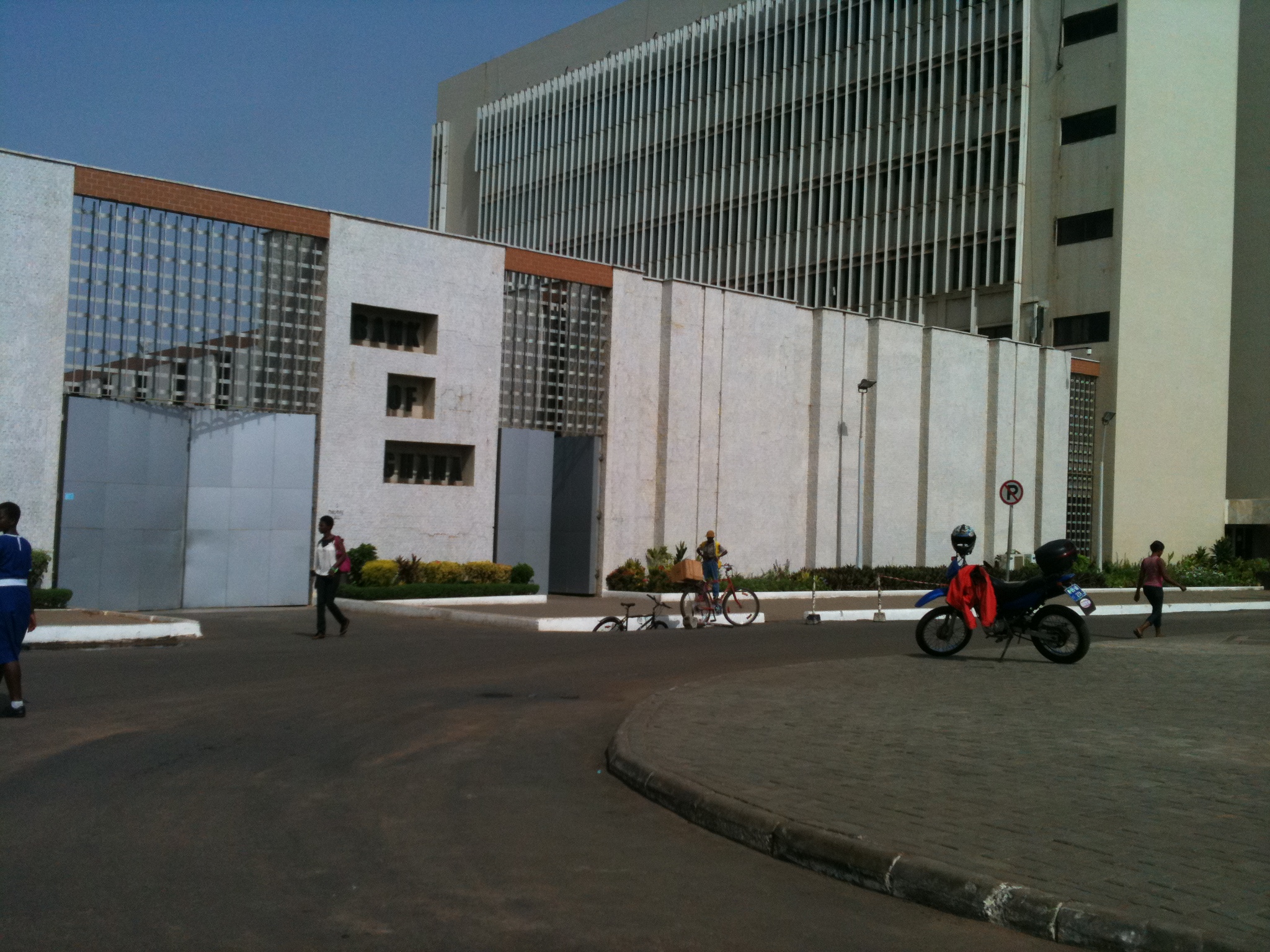
The Bank of Ghana’s Monetary Policy Committee has kept the benchmark policy rate unchanged at 14 percent, marking the second straight hold this year after a run of rate cuts earlier in 2026. The decision, announced on July 22, 2026 at the end of the MPC’s 131st regular meeting, was unanimous, with all six voting members backing a pause as policymakers weigh a mix of strong domestic growth against fresh risks from the Middle East conflict and volatile global oil prices.
As of this report, the Bank of Ghana has not held another MPC meeting since. The committee’s next scheduled sitting is set for September 22-24, 2026, meaning the 14 percent rate remains the live, current policy setting for the economy.
Why the MPC held the rate
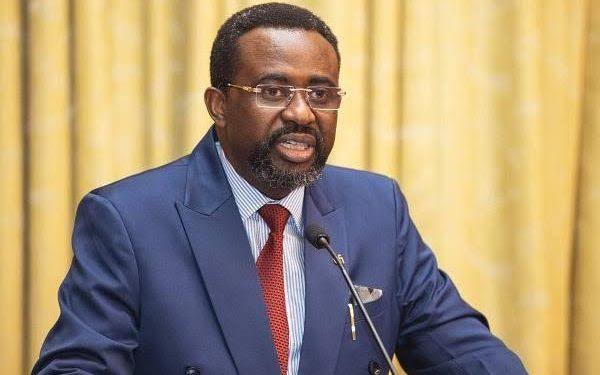
Governor Dr. Johnson Asiama said the committee’s decision reflected “robust first-quarter economic growth, improving private sector credit, stronger external sector performance and inflation remaining below the lower bound of the target band.” Gross Domestic Product expanded strongly in the first quarter of 2026, and the Bank’s Composite Index of Economic Activity, a broad gauge of real-time business activity, grew by more than 13 percent year-on-year as of May.
Ghana’s external position also looked healthier than a year ago. The country posted a trade surplus of roughly 8.8 billion US dollars in the first half of 2026, up from about 5.8 billion dollars in the same period last year, while the current account surplus widened to around 5.1 billion dollars. Gross international reserves stood near 12.9 billion dollars, enough to cover about five months of imports, even as the cedi weakened by roughly 9.5 percent against the dollar since the start of the year.
Despite the encouraging growth and external numbers, the MPC chose caution over further easing. Members pointed to escalating conflict in the Middle East, which has disrupted global trade routes and pushed crude oil prices above 85 dollars a barrel, as a threat capable of reversing Ghana’s disinflation gains through higher fuel and transport costs. The Governor summed up the mood as one of “vigilance,” saying the hold would allow the committee “time to assess the evolving geopolitical developments and their potential impact on the domestic economy.”
Cheaper credit already flowing, even without a fresh cut
One reason the MPC felt comfortable pausing is that credit conditions have already loosened significantly on the back of earlier cuts this year. Private sector credit growth surged to about 41 percent year-on-year in June 2026, up sharply from roughly 8.6 percent a year earlier. Average commercial bank lending rates have also fallen substantially, from around 27 percent to about 15.6 percent over the past year, according to figures cited alongside the MPC’s decision.
What the hold means for loans, savings and Treasury bills
For everyday borrowers and businesses, a steady policy rate does not automatically translate into cheaper or more expensive bank loans. Commercial banks set their own lending rates based on their operating costs, risk appetite and competition for customers, not solely on the Bank of Ghana’s benchmark. Analysts covering the decision have cautioned that borrowers should expect broad stability rather than any sudden shift in loan pricing in the immediate term.
Savers are similarly unlikely to notice an immediate change in the interest earned on deposits, since banks adjust those rates independently. Treasury bill yields follow a different logic altogether: they are set through the government’s weekly auctions, driven by investor demand and the state’s borrowing needs, rather than moving in lockstep with the policy rate. Taken together, the message from the central bank is one of a wait-and-see posture, prioritising inflation control over any near-term push to make credit cheaper.
Inflation eases further after the decision
Inflation data released after the July MPC meeting has since strengthened the case that price pressures are cooling. The Ghana Statistical Service reported that headline inflation fell to 4.6 percent in July 2026, down from 5.3 percent in June, marking the first year-on-year decline in the inflation rate since March. Food inflation eased to 3.1 percent, though non-food inflation ticked up to 6.1 percent, and prices rose by just 0.1 percent on the month.
That reading puts inflation well below the lower edge of the Bank of Ghana’s medium-term target band of 6 to 10 percent, a position the MPC had already flagged going into its July meeting as a factor requiring careful judgment rather than an automatic trigger for further cuts, given the uncertain trajectory of global oil prices.
Outlook: eyes on the September meeting
With inflation continuing to soften and the policy rate on hold for a second straight sitting, attention now turns to the MPC’s next meeting scheduled for September 22-24, 2026. The committee will have to balance an inflation print that argues for further easing against a Middle East conflict that has yet to be resolved and continues to threaten energy prices and shipping costs.
For businesses planning around borrowing costs, and for households watching prices at the market, the central message from the Bank of Ghana for now is steadiness: rates unchanged, credit conditions easing gradually on the back of earlier cuts, and policymakers keeping a close watch on how global events unfold before making their next move.