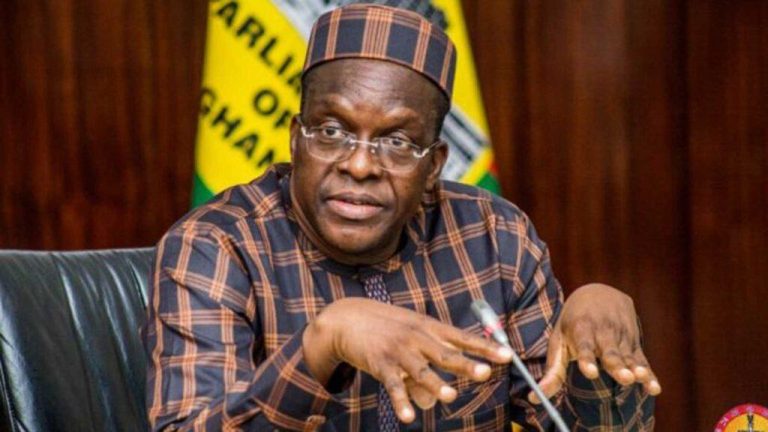

Economics Professor Godfred Alufar Bokpin says the reported 5.2% inflation rate offers little relief to Ghanaians who still endure journeys of up to 12 hours to Kumasi, stressing that improved economic figures must reflect in people’s everyday lives.
Speaking in an interview on Tuesday, Prof. Bokpin acknowledged the government’s efforts to stabilise the economy but cautioned that an overreliance on expenditure cuts was slowing the translation of economic gains into tangible improvements in living conditions.
“If somebody is spending nine to 12 hours to travel from here to Kumasi, inflation of 5.2% means nothing to that person.”
He also highlighted the traffic congestion commuters experience on the Accra-Tema Motorway, noting that for people grappling with such daily challenges, declining inflation may offer little sense of economic relief.
“It’s simply because the approach we have adopted in restoring macroeconomic stability is going to take a while to reflect in the lives of Ghanaians.”
His remarks come ahead of the presentation of the 2027 Budget on Thursday, November 12.
Finance Minister Dr Cassiel Ato Forson is expected to use the occasion to unveil the government’s New Economy programme, a four-year initiative aimed at boosting productive investment and driving economic transformation.
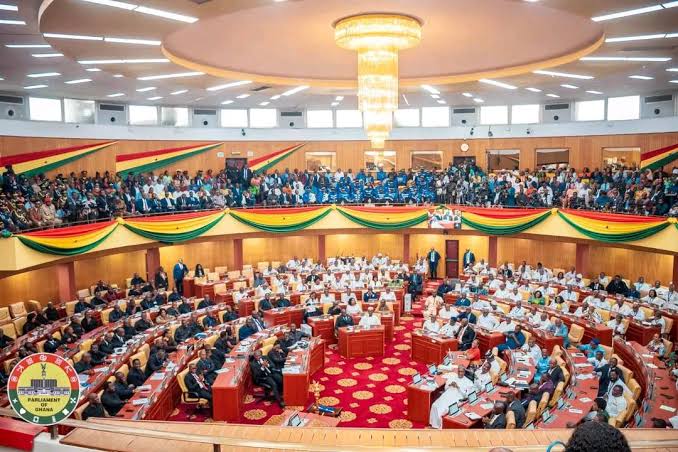
The Minority in Parliament has raised concerns about how the programme will be funded, while calling for greater accountability in the implementation of existing flagship projects. It has also questioned why declining inflation has yet to translate into meaningful relief for households.
Prof. Bokpin argued that although the government’s policies had helped moderate economic activity by curbing demand, they had done little to address the country’s limited productive capacity.
“If you choose that approach, you will get the result, but the impact will not be felt by Ghanaians.”
He argued that a country with major infrastructure gaps needs spending to support growth.
“So, for a country that is saddled with a huge infrastructure deficit, imposing restrictions on the growth drivers of the economy, such a country cannot celebrate extensive austerity expenditure cuts.”
Nevertheless, Prof. Bokpin acknowledged that the government had largely achieved its goal of restoring economic stability during its first two years in office.
He pointed to the decline in inflation and interest rates, as well as the cedi’s relative stability, despite renewed pressure on the local currency.
“To that extent, and to the extent that that is what we are set out to achieve in the first two years of the administration, I would say they’ve done quite well in restoring macroeconomic stability.”
He said the government’s next priority should be to shift its focus from economic stabilisation to driving growth and structural transformation.