
The International Monetary Fund has warned that illegal small-scale mining, widely known in Ghana as galamsey, poses a long-term threat to the country’s economy, even as the Fund credits recent reforms with helping stabilise growth and inflation. The warning is contained in IMF reporting tied to the 2026 Article IV Consultation and Sixth Review of Ghana’s arrangement under the Extended Credit Facility, which the Fund’s Executive Board concluded in late July 2026.
What the IMF said
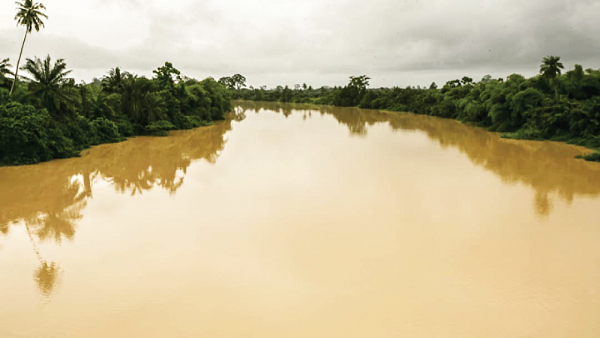
According to the IMF’s assessment, galamsey is destroying farmland, forests and water bodies across mining-affected regions, with consequences that extend well beyond the immediate mining sites. The Fund noted that the practice is degrading soil quality and polluting sources of drinking water, forcing Ghana Water Company to spend more on treatment and purification to keep supplies safe.
Looking ahead, the IMF flagged a number of risks it said could materialise if the damage continues unchecked, including lower cocoa production, more frequent flooding and droughts, reduced hydropower generation, and slower overall economic growth. The Fund’s language was direct: galamsey, in its assessment, is not merely a local environmental nuisance but a structural risk to Ghana’s medium-term economic prospects.
A related Selected Issues Paper prepared for the same consultation, published in July 2026, put a figure on the scale of losses from gold smuggling. It estimated that around 229 tonnes of artisanal gold, valued at approximately US$11.4 billion, left Ghana outside official trade records between 2019 and 2024. That gold effectively vanished from the country’s export statistics and tax base even as it was mined on Ghanaian soil.
The economic and environmental stakes
Gold has become increasingly central to Ghana’s external finances, now accounting for more than half of total exports, up from roughly a fifth in 2021. That makes the integrity of the gold sector, and the extent to which it is properly taxed, tracked and reported, more consequential for the wider economy than in previous years.
The IMF also pointed to the cost of the government’s own gold-purchase efforts. It noted that the now-discontinued Gold-for-Oil component of the central bank’s gold programme recorded losses of about US$128 million in 2024, while losses from artisanal and small-scale gold transactions under the successor Gold-for-Reserves programme had reached roughly US$214 million by the third quarter of 2025, driven mainly by trading losses and off-taker fees.
Beyond the balance sheet, the environmental toll carries its own price tag. Restoring a river or forest reserve damaged by galamsey does not happen quickly or cheaply, and public health researchers in Ghana have separately raised concerns about pollution-linked illnesses in mining-affected communities. The IMF’s framing suggests these are not one-off costs but a drag that compounds over time if enforcement gaps persist.
Government’s response
The IMF’s report acknowledged some of the reforms Ghana has introduced, including the removal of taxation on artisanal and small-scale gold mining in 2025 and the establishment of the Ghana Gold Board, known as GoldBod, which has been given an initial capital allocation of roughly US$279 million. GoldBod has been tasked with centralising the licensing, purchasing, trading and export of small-scale gold, building traceability systems and applying anti-money-laundering checks that were previously fragmented across multiple agencies.
On the security and enforcement side, the Mahama administration has set up the National Anti-Illegal Mining Operations Secretariat, known as NAIMOS, to coordinate military and other security agencies against galamsey operations. The government has also expanded the Blue Water Guards programme, a river-patrol initiative launched in March 2025 that now numbers more than 2,000 personnel operating across over 100 districts in eight regions, with officials citing early improvements in water quality in some of the districts covered.
President John Mahama has said security forces have arrested about 1,400 people in connection with galamsey, though he has acknowledged most of those detained were young labourers rather than the financiers and kingpins behind illegal operations. He has also conceded that earlier enforcement drives faltered after security personnel were withdrawn too soon from cleared sites, and has pointed to plans for permanent military deployment to forest reserves and known hotspots, tighter import controls and tracking requirements for excavators, and efforts to formalise small-scale miners through partnerships with established mining companies.
What it means for Ghana
Taken together, the IMF’s warning and the government’s own enforcement record point to a gap between the scale of the problem and the pace of the response. Ghana’s broader macroeconomic recovery, supported by fiscal consolidation and firmer gold prices, has been one of the more encouraging stories in its IMF programme. But the Fund’s message is that those gains sit on shakier ground if the environmental and fiscal costs of galamsey keep rising in the background.
For now, the government’s institutional responses, from GoldBod’s formalisation push to the Blue Water Guards’ river patrols, represent an attempt to close that gap. Whether they can outpace the damage already documented in rivers, forest reserves and cocoa-growing districts will likely shape how the next IMF review assesses Ghana’s progress.