
You have probably seen a post like this one. “Invest GH¢200 today, receive GH¢1,000 by Friday. Join our WhatsApp group.” Someone in your family may even have tried it. If you want to make money online in Ghana, the first skill you need has nothing to do with laptops: it is learning how to spot a trap.
Here is an honest guide. No “secret method” and no screenshots of fat MoMo balances. Just what the authorities have reported, what genuine online work involves, and what to sort out before you start.
The scam numbers you should know
The Cyber Security Authority (CSA) recorded 352 cases of fraudulent online investment schemes in the first half of 2026, with victims losing GH¢3,429,447. Those are only the cases reported, so the real figure could be higher.
Across the whole of 2025, the CSA says it confirmed 4,604 cybercrime and cybersecurity incidents. Online fraud made up 1,799 of them, or 39 percent.
The CSA’s alert named some of the identities used by these schemes, including Daily Trade, Ghstore, KUKA and Edollar. Scammers also misused the name of Daraz, a real e-commerce company. They keep rebranding, so a name that is not on any list today is not automatically safe.
7 warning signs of a fake opportunity
Most of these come straight from CSA alerts on investment schemes and fake recruitment:
- Returns that sound unusually high, especially when promised quickly
- A WhatsApp or Telegram group you never asked to join
- Claims of being linked to a big foreign company, with no proof
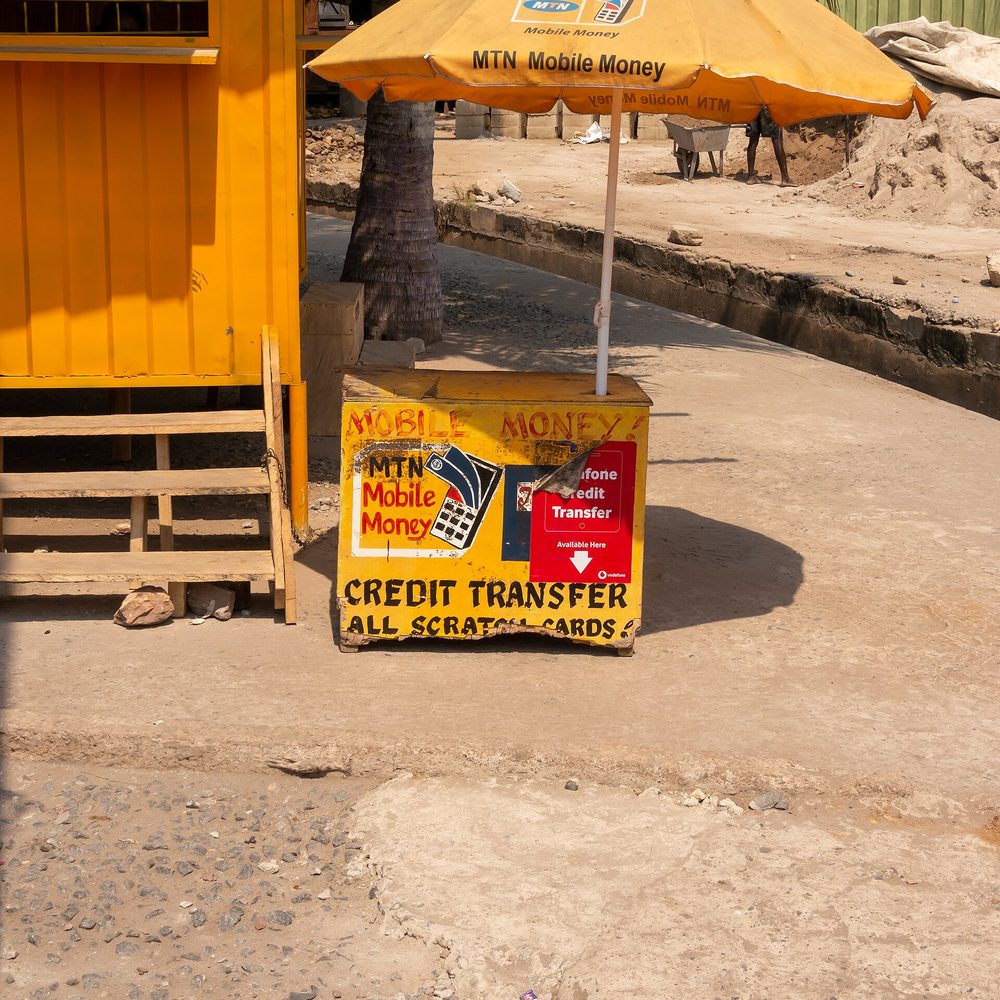
- Money collected mainly through mobile money, with no clear company behind it
- A job offer that arrives by SMS or social media out of nowhere
- A request for your Ghana Card, bank details or a “processing fee”
- Poor grammar, spelling mistakes and unprofessional messages
One more for the crypto crowd: even the biggest platforms carry risk. Binance recently said $6.3 billion was stolen from it and that it had covered most of the loss with company funds. If somebody tells you crypto is “risk-free”, you already have your answer.
If you come across a scam, you can report it to the CSA by calling or texting 292, sending a WhatsApp message to 0501603111 or emailing report@csa.gov.gh.
Legitimate ways to make money online in Ghana
There is real work here, but none of it is instant. How much you make depends on your skill, your market and your consistency, and nobody can honestly promise you a figure. These are the main routes.
Selling a service
This means doing work for clients: graphic design, writing, video editing, social media management, web development, animation, translation. It is often the most direct route, because a client is paying for a result they need now. A small portfolio, even with projects you did for free or for yourself, can help you win that first job.
Selling digital products
Templates, e-books, short courses and design packs can be sold repeatedly once they are made. The catch is that you have to find buyers. A product nobody knows about earns nothing, so expect to spend time on marketing as well.
Creating content
YouTube, TikTok, Facebook and X can pay creators, and brand deals can follow. It tends to be slow at first and the rules vary from one platform to another, so check whether you are eligible before building your plans around it.
Sort these out before the money comes
Getting paid. The Bank of Ghana has said platform payouts are service export proceeds. They can go into a foreign exchange account at a Ghanaian bank or into a cedi account, subject to regulatory requirements. It has also acknowledged that some creators struggled to access earnings and said it was reviewing the issue. So test your payment route with a small amount before depending on it.
Tax. Online income is not invisible. The Ghana Revenue Authority has said it tracks creatives the same way it tracks other earners. It also announced a five-year tax holiday for creative businesses owned by people under 35. Ask the GRA directly what applies to you, because online guides often disagree on the numbers.
Your identity. Never send your Ghana Card to an unverified “recruiter”. Our explainer on the new Ghana Card photocopying rules shows why the authorities are taking this so seriously.
Don’t take the other shortcut
Some young people convince themselves that fraud is just another hustle. The CSA’s acting Director-General, Divine Selase Agbeti, put it plainly at a youth festival in Ho: “Cybercrime is not smart work.” He warned that a bad digital footprint can cost you education, jobs and travel opportunities.
Where to start this week
- Choose one skill, not five.
- Do three small projects you can show people.
- Tell your own network what you now offer.
- Set up a payment route and test it.
- Keep records of what you earn from day one.
Slow and real beats fast and fake. If you want more on how AI is changing this kind of work, read our piece on the Canva job cuts and what creatives should learn next.
Have you earned money online in Ghana, or been caught by a scam? What do you wish you had known at the start? Share it in the comments, because your story could save somebody’s money.
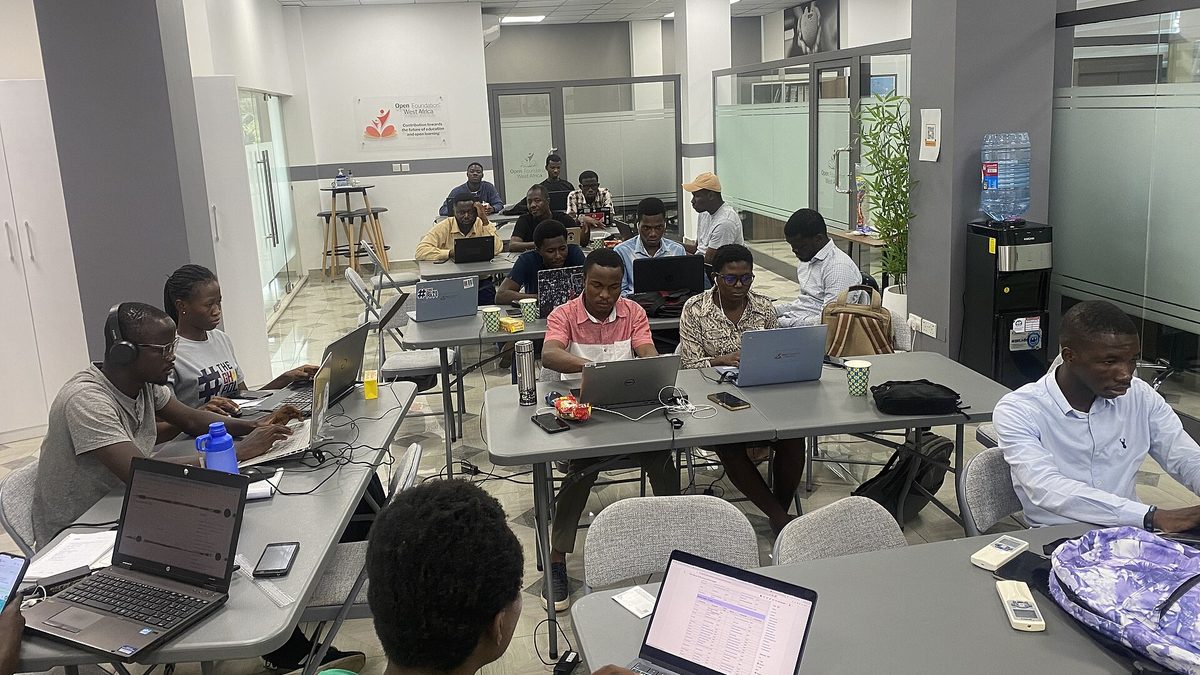
Featured image: Participants working on laptops at a training event in Accra, December 2024. Photo: Kaffzz, CC BY-SA 4.0, via Wikimedia Commons (cropped).