
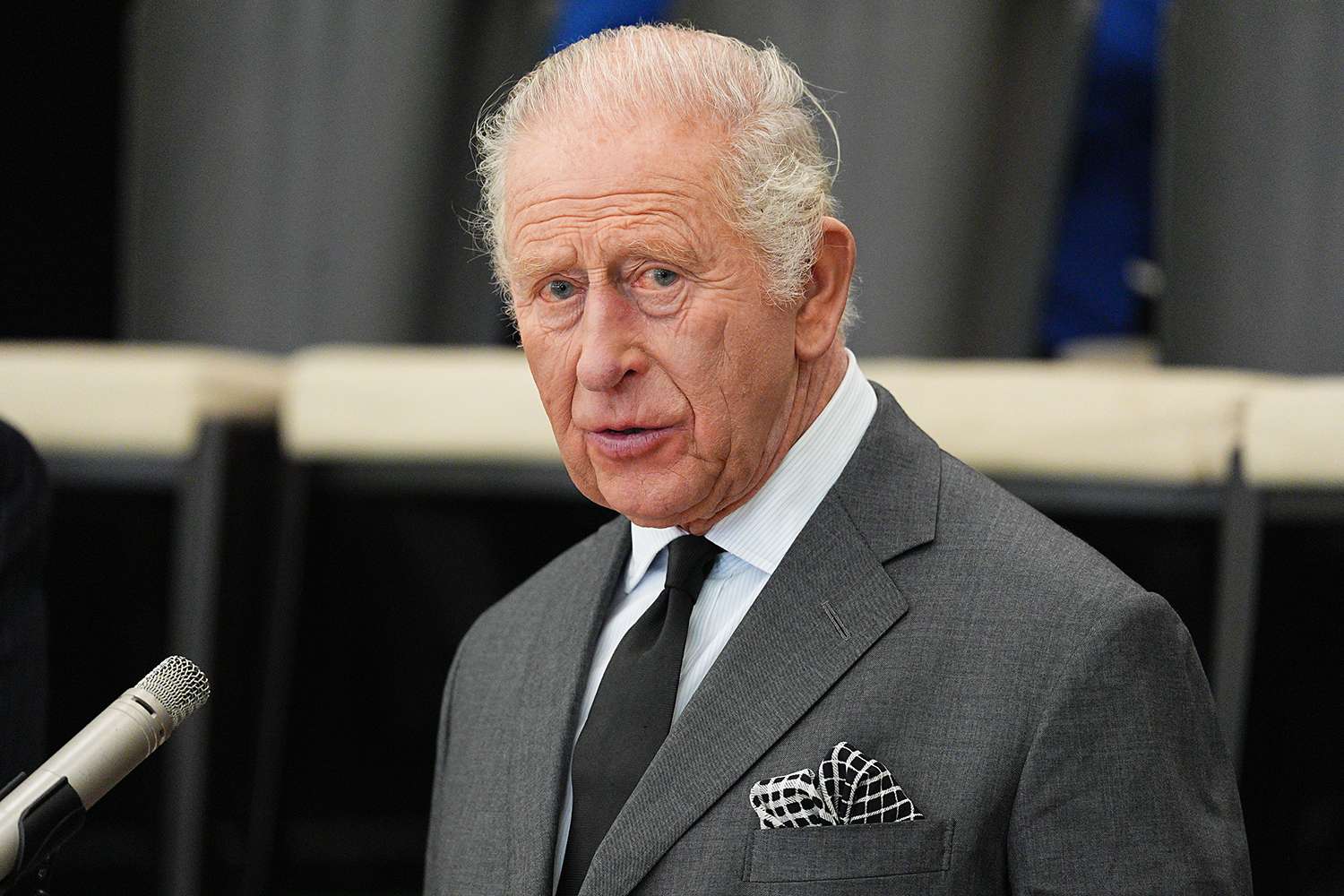
King Charles III of the United Kingdom has described the transatlantic slave trade as one of the darkest chapters in human history, expressing deep sorrow over its lasting consequences for Commonwealth nations.
Addressing the opening session of the Commonwealth Heads of Government Meeting (CHOGM) in St John’s, Antigua and Barbuda, the King said the legacy of slavery continued to affect the Caribbean and other parts of the Commonwealth, leaving a painful mark on their history.
He described the trade in enslaved Africans as a chapter that “fills my heart with horror and my soul with the most profound personal sorrow”.
“We cannot change the actions of those who came before us. We can, however, learn from the past,” he said.
King Charles said gaining a deeper understanding of historical injustices through listening and learning had reinforced his resolve to foster modern partnerships aimed at addressing past wrongs through meaningful and practical measures.
His remarks come against the backdrop of growing international calls for greater recognition of the consequences of the transatlantic slave trade and action towards reparative justice.
On March 25, 2026, the United Nations General Assembly adopted a resolution describing the transatlantic trade in enslaved Africans and racialised chattel enslavement as the “gravest crime against humanity”.
The resolution, championed by President John Dramani Mahama and supported by the African Union and the Caribbean Community (CARICOM), secured 123 votes in favour.
King Charles said the Commonwealth could help address historical injustices by widening access to education, creating employment and economic opportunities, strengthening trade among member states and supporting climate resilience initiatives.
He stressed that the Commonwealth’s identity should not be shaped solely by its historical past but also by its ability to respond to the contemporary challenges confronting its member countries.