
Economist Professor Godfred Alufar Bokpin says Ghana may need about 15 years of sustained reforms, strategic investments and consistent economic policies to convert its restored macroeconomic stability into lasting economic transformation.
The Professor of Finance at the University of Ghana Business School (UGBS) noted that restoring economic stability represents only the initial stage of the recovery process, stressing that the real test lies in generating productive employment, expanding businesses and improving the living conditions of Ghanaians.
He noted that countries which have achieved significant economic transformation did so through consistent policy direction and well-coordinated reforms sustained over several years, rather than relying on short-term interventions tied to individual budget cycles.
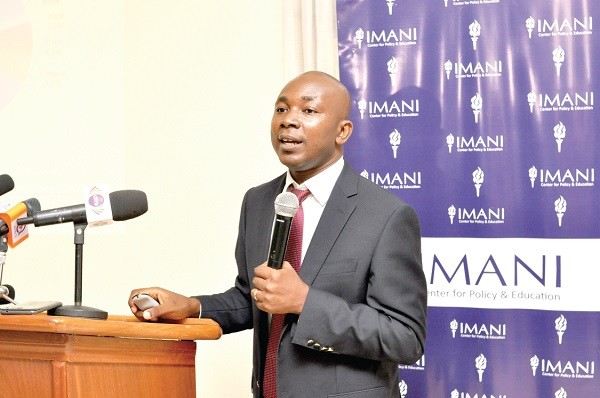
“Normally, moving from macroeconomic stability to greater economic transformation takes close to 15 years of doing the right thing consistently and the necessary reforms bundled together reinforcing each other,” he said in an interview on the sidelines of the National Policy Dialogue on Philanthropy and Social Investment in Accra.
While recognising the government’s efforts to restore macroeconomic stability, Prof. Bokpin warned that excessive cuts in public expenditure could constrain private sector growth and weaken the broader economic recovery.
He cited a reduction of more than 47% in government spending on goods and services before 2025, explaining that although the cuts helped reduce fiscal deficits, they also placed pressure on small businesses that depend on government contracts for their operations.
He said the next phase of Ghana’s economic recovery should prioritise productive expenditure and strategic investments capable of stimulating domestic businesses, expanding industrial capacity and generating employment.
Prof. Bokpin identified agriculture, agribusiness, agro-processing and rural-urban road infrastructure as key investment areas, noting that improved productivity and connectivity would create business opportunities and boost economic activity.
He further advocated the integration of artificial intelligence and other digital technologies into economic management to enhance productivity, strengthen revenue mobilisation and address inefficiencies.
Drawing lessons from China’s development experience, he stressed that targeted investments in technology and infrastructure could accelerate Ghana’s economic transformation by driving productivity and growth at the grassroots level.
Meanwhile, the government is expected to provide details of its New Economy Agenda in the 2027 Budget, scheduled for presentation on November 12.